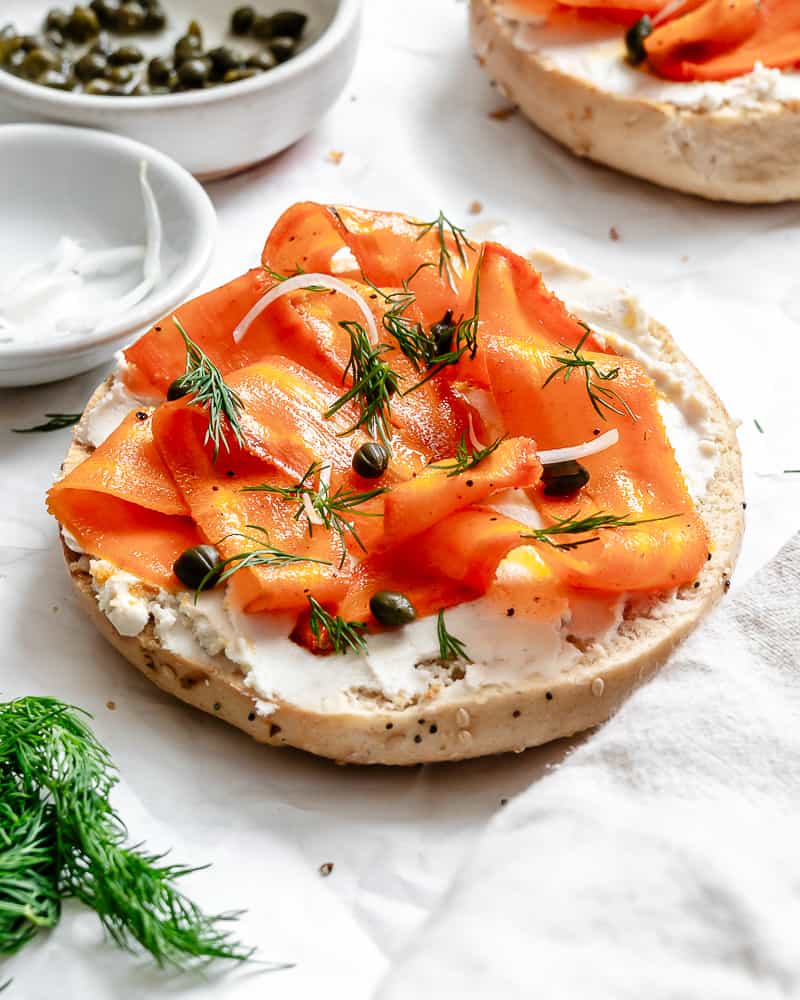
5 reasons to eat seaweed instead of salmon
Blutopia association, like Seastemik, works toward more ocean-respectful food — and therefore better living conditions — explains why seaweed is one of the best alternatives to farmed salmon.
Is eating seaweed the new trendy thing? Sea vegetables have a remarkable gastronomic and nutritional richness that remains largely underestimated. Malaury Morin, co-founder of Blutopia association, shares with us 5 reasons to eat seaweed instead of salmon.
PLANT-BASED YOUR PLATE WITH AN IODIZED FLAVOR
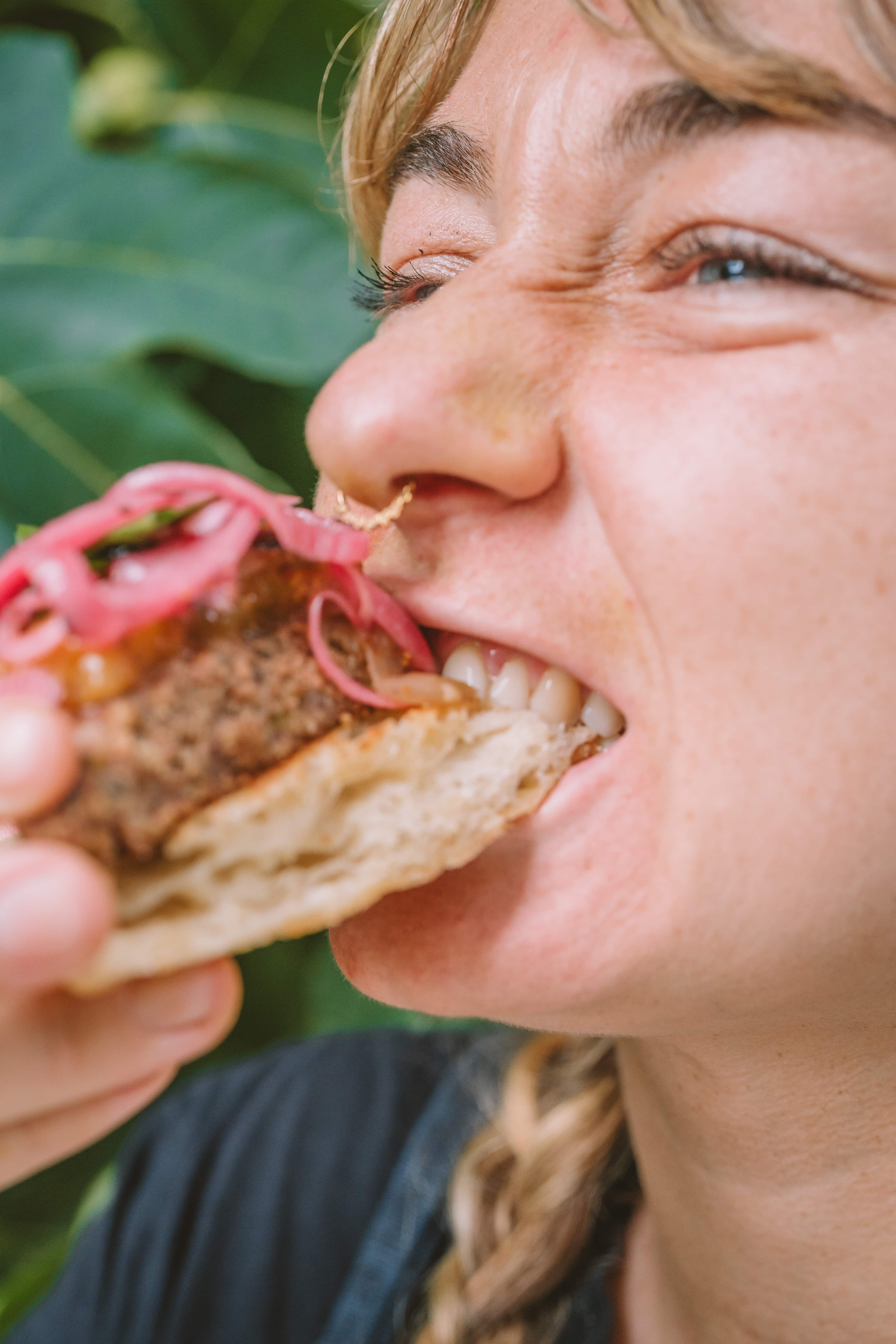
Vegetalizing your plate is the best option to relieve the pressure we put on the ocean. Just as with terrestrial meat, reducing or even stopping the consumption of marine meat involves exploring plant-based options. Seaweed is one of them.
All seaweed? No! We're not talking about cooking the toxic green seaweed that washes up on Breton coasts, for example. Edible seaweeds are harvested directly from the water while still alive. And above all, we eat them fresh.
Bonus point: thanks to seaweed, we keep that iodized flavor so dear to fish eaters.
(TRULY) TAKE CARE OF YOUR HEALTH
Rich in omega-3, proteins, vitamin D or minerals... we've lost count of the advertisements vaunting the so-called nutritional benefits of salmon and forgetting to mention that the salmon we eat also contains toxic pollutants. Seastemik is publishing an investigation on this subject in December 2026.
To (truly) take care of your health, seaweed is a perfect choice. Depending on the species — and there are thousands of them — each seaweed can respond to a particular need. For example, fucus and wakamé are rich in fibers; nori is rich in proteins and sea bean is rich in vitamin C.
Still skeptical? Visit the Les Bonnes Vivantes platform created in 2026 by Blutopia and DataForGood to learn in detail about the benefits of seaweed compared to other foods!
RECONNECT WITH OUR CULINARY HISTORY
Eating seaweed is nothing new. We've been consuming it for thousands of years. Did you know, for example, that the Vikings ate it? To date, the oldest traces of seaweed consumption by humans date back to -14,000 BC in Chile (more details here).
We often forget that from a historical perspective and on a global scale, human diets have been predominantly plant-based. It's only since the twentieth century – and the beginning of industrial farming – that the per capita consumption of terrestrial and marine meat exploded in industrialized countries. Eating seaweed is therefore both a way to reconnect with our culinary past and to embrace the food of the future.
DISCOVER NEW FLAVORS AND TEXTURES
According to Blutopia, to date there are 12,000 different seaweed species referenced. Whether they are red, brown, or green, they are (almost) all edible. In France, only 22 species of macro-algae are currently authorized for consumption.
Here are eight seaweed species highly recommended by Blutopia: ao-nori; nori; wakamé; kombu royal; sea bean; dulse; sea lettuce and fucus. Where to find them? The association has mapped out on a map known retail points in hexagonal France.
SUPPORT LOW-IMPACT HARVESTING
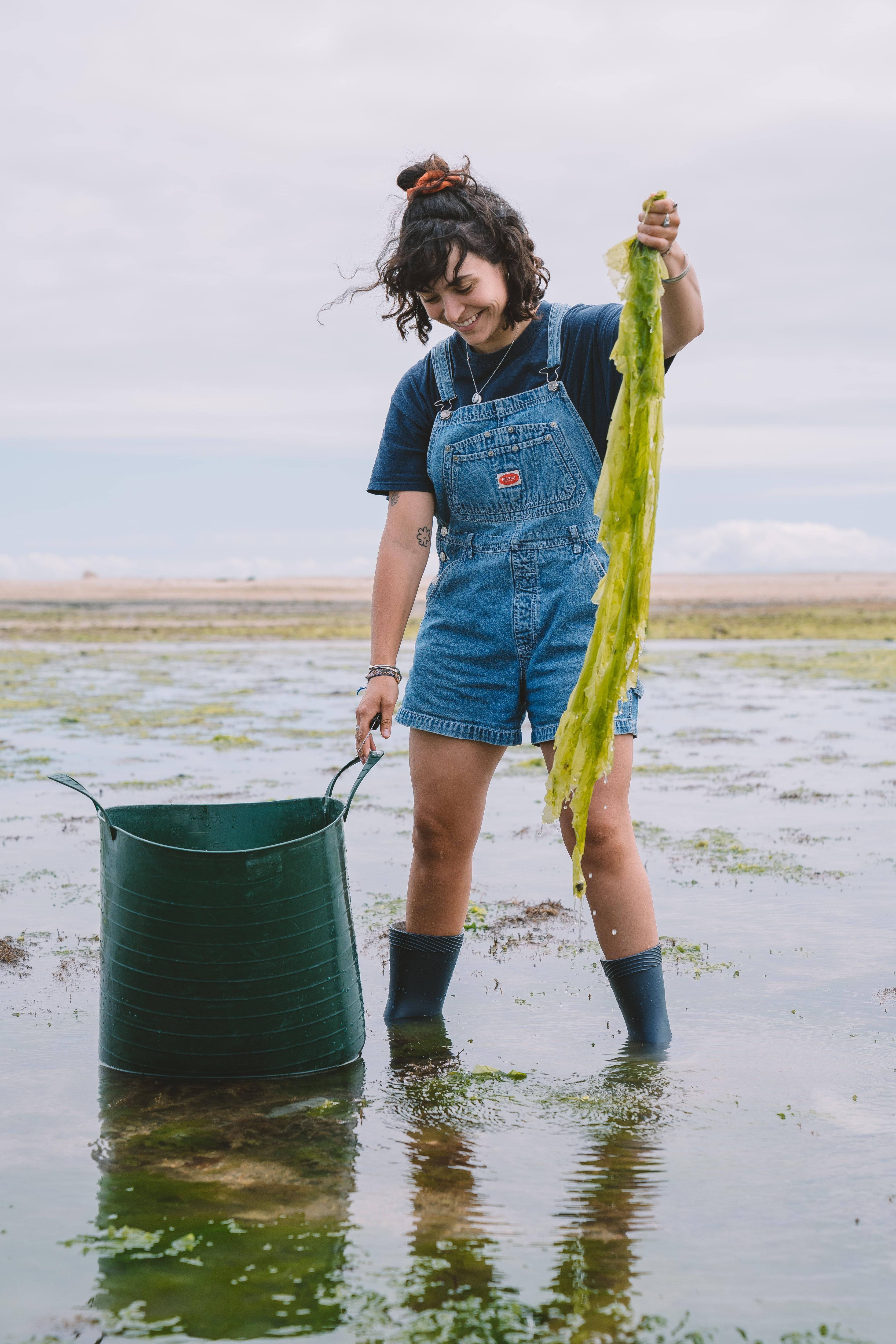
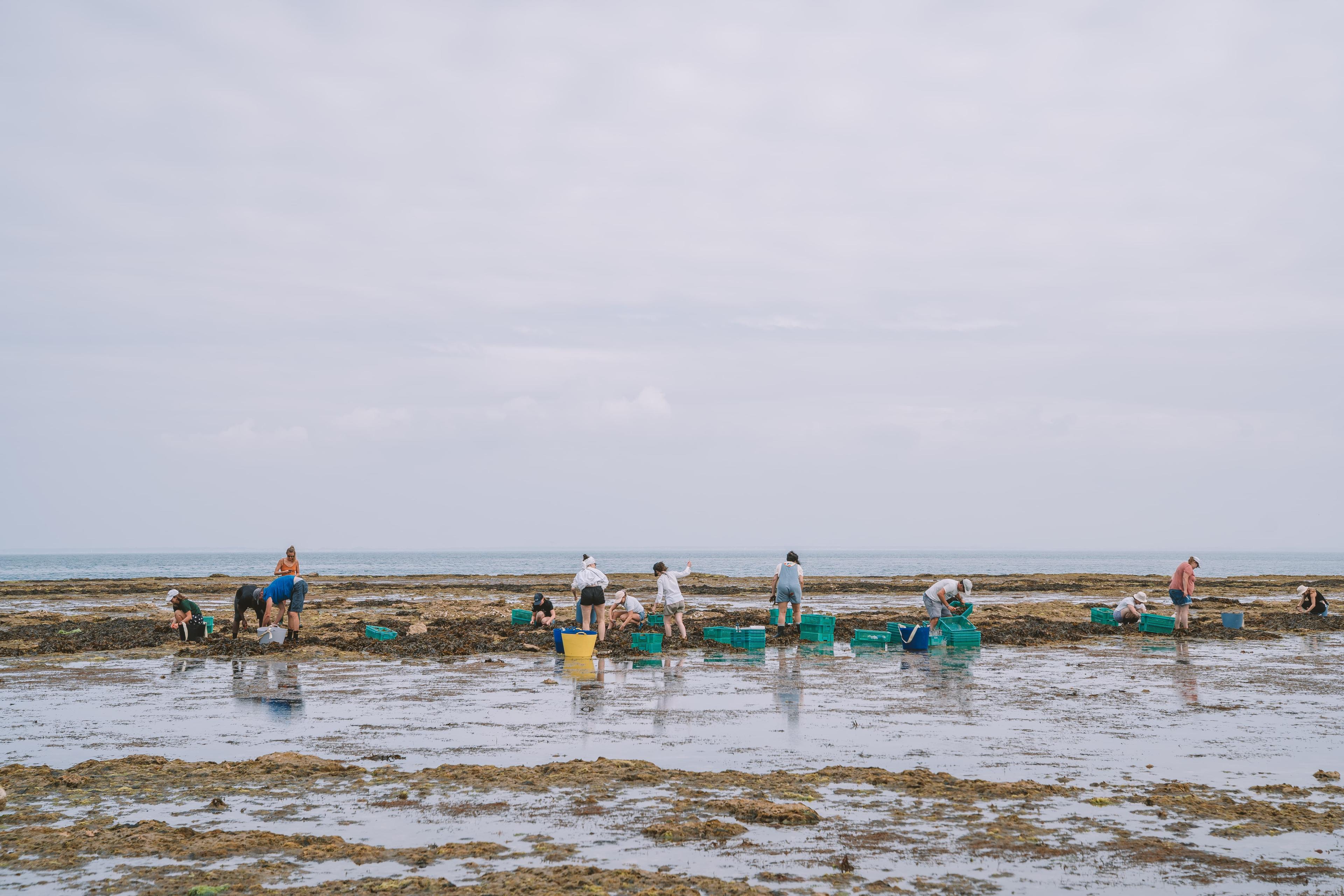
The majority of seaweed consumed in France is wild seaweed. All you need to do is hand-pick it.
Seaweed farming remains, at this stage, very minority. For the curious, know that the beginning of growth happens in the laboratory and that seaweed is then transferred to ropes in the sea. Farming therefore takes up little space and many good practices exist to avoid damaging surrounding resources. And harvesting is always done by hand.
In summary, eating seaweed is eating healthy, original and responsibly. Want to take the plunge? Malaury advises you to start with sea butter, you'll find the recipe here.